
Integrating AIOps into your enterprise’s IT operations marks a significant transformation in the management of data, prediction of issues, and process automation. However, the effectiveness of this technology relies heavily on its users. Training staff to effectively utilise a new AIOps platform involves not only addressing technical and business understandings but also ensuring maximum adoption and overcoming resistance from service or application owners. This blog explores strategies to navigate these challenges, ensuring a smooth transition and optimal use of AIOps capabilities.
Training Staff on AIOps: Bridging Technical and Business Perspectives
Training is crucial in helping staff understand not just the operational aspects of AIOps tools but their potential to drive business value. Here’s how you can approach this:
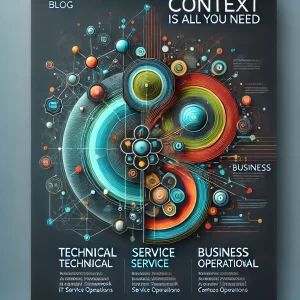
- Technical Training: Start with comprehensive training sessions that cover the operational features of the AIOps platform. This includes data integration, system monitoring, incident response automation, and the use of AI for predictive insights. Utilising resources provided by AIOps vendors, such as user manuals, webinars, and hands-on workshops, can enhance this training.
- Business Context Training: It’s vital for staff to understand the business implications of AIOps. Tailor training sessions to demonstrate how AIOps solutions can impact business outcomes, such as improving customer satisfaction through quicker response times, reducing operational costs by automating routine tasks, and enhancing decision-making through predictive analytics.
- Scenario-Based Learning: Develop training scenarios that mimic real-life challenges your team might face. This approach helps staff apply their technical knowledge in a business context, fostering a deeper comprehension and skill set.
Driving Maximum Adoption of AIOps
For AIOps to deliver its full potential, broad adoption across the organisation is essential. Consider these strategies to encourage uptake:
- Engagement from the Top: Adoption initiatives should be actively supported by senior management. When leadership champions the use of new technologies, it sets a tone that resonates throughout the organisation.
- Clear Communication of Benefits: Regularly communicate the benefits of AIOps to all users, highlighting specific examples of how it has simplified tasks, provided meaningful insights, or prevented potential issues.
- Integration into Daily Workflows: Make the use of the AIOps platform part of the daily routine. Integrating its tools into regular workflows helps staff become more comfortable and proficient with the technology.
Handling Resistance from Service/Application Owners
Resistance to new technologies can be a significant barrier to successful implementation. Here’s how you can address and manage resistance:
- Identify the Root Causes: Understanding why service or application owners might resist the new system is the first step in addressing their concerns. Common reasons include fear of redundancy, loss of control over their environment, or a lack of understanding of the new system’s benefits.
- Inclusive Change Management: Include resistant staff in the planning and implementation processes. This involvement can help mitigate fears as they contribute their insights and become part of the solution.
- Targeted Benefits Communication: Show how AIOps can specifically benefit service or application owners. For example, demonstrate how automated anomaly detection can allow them to proactively manage their applications, preventing downtime and reducing the stress of emergency interventions.
- Provide Assurance and Support: Assure staff that the aim of AIOps is not to replace their roles but to enhance their capacity to perform more strategic, impactful work. Offer continuous support as they transition to the new system.
Conclusion:
The journey to AIOps is as much about people as it is about technology. By effectively training staff, fostering broad adoption, and addressing resistance, enterprises can maximise the value of their AIOps investments. These efforts ensure that the organisation not only keeps pace with technological advancements but also creates a culture that embraces innovation and continuous improvement.